The Nine Arch Bridge of Ella – A Colonial Masterpiece Wrapped in Jungle

Osadhi
@Osadhi
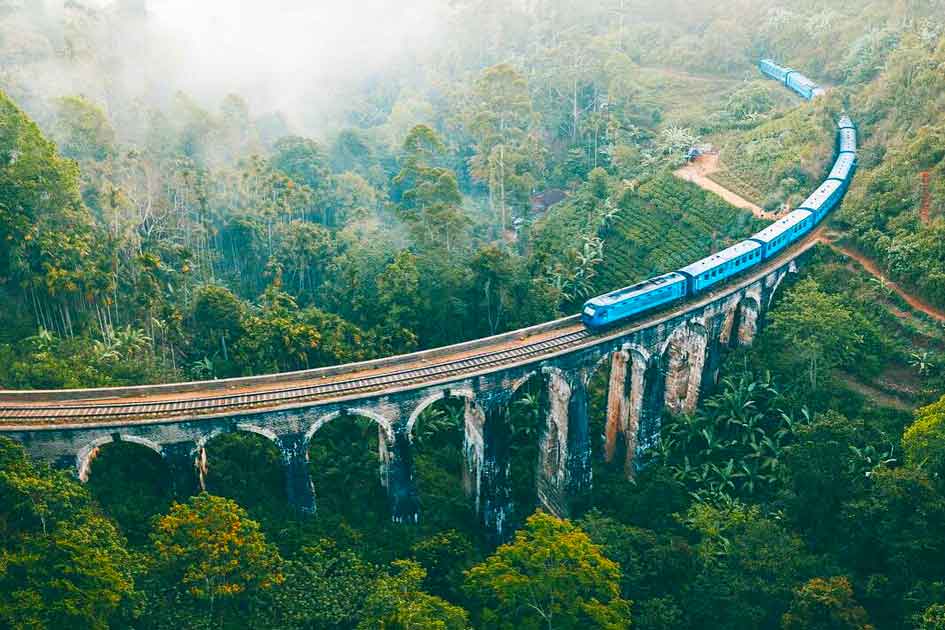
Emerging from the emerald jungles between Ella and Demodara, the Nine Arch Bridge stands as a testament to human ingenuity overcoming material scarcity. Built in 1921 during British colonial rule, this remarkable structure came to life when World War I steel shortages forced engineers to rethink conventional railway construction. Local craftsmen rose to the challenge, employing age-old techniques to build what would become one of Sri Lanka's most iconic landmarks.
The bridge's nine graceful arches, each perfectly proportioned, soar 24 meters above a lush valley filled with tea bushes and tropical foliage. What makes this place extraordinary is how completely nature has embraced the man-made structure. Morning mist clings to the arches like whispered secrets, while sunlight filters through the jungle canopy to dapple the weathered brickwork in ever-changing patterns. The occasional call of a Sri Lankan hanging parrot or the rustle of a giant squirrel in the treetops provides nature's soundtrack to this engineering marvel.
 Click the image to step onto the bridge through our 360° virtual experience (Credit: 360view.lk)
The Magic of the Crossing
Twice each day, the bridge transforms into a living postcard as the iconic blue train makes its slow journey across the viaduct. The approaching train announces itself first with a distant whistle echoing through the hills, then with the rhythmic clatter of wheels on tracks that grows steadily louder. As it emerges from the jungle tunnel, sunlight glints off the polished blue carriages, creating a striking contrast against the deep greens of the surrounding foliage.
The best crossings typically occur around 9:30 in the morning when the Kandy-to-Badulla train passes, and again near 3:30 in the afternoon with the return journey. Local tea shop owners along the tracks often know the exact timing, their lives synchronized with the train's daily rhythm. Visitors gather on the eastern hillside or brave standing on the bridge itself, cameras at the ready, as the train creeps slowly across the span, its passengers often waving to the spectators below.
Experiencing the Bridge Through All Senses
Arriving at dawn reveals the bridge at its most mystical. The first golden light of day filters through the arches, illuminating tendrils of morning mist that rise from the valley like ghostly fingers. At this hour, you might have the entire place to yourself, save for the occasional farmer heading to tea fields or a curious monkey observing from the treetops. The air carries the damp, earthy scent of jungle vegetation and the faint metallic tang of the railway tracks.
Walking across the bridge becomes a sensory experience. The rough texture of century-old bricks beneath your feet contrasts with the smooth steel of the tracks. Peering through the gaps between bricks reveals dizzying views of the jungle floor far below, where sunlight struggles to penetrate the dense canopy. The bridge seems to breathe around you, expanding and contracting slightly with the day's changing temperature.
For the most dramatic perspective, venture into the cool darkness of the adjacent train tunnel. Standing in its arched mouth, you experience the bridge as approaching trains do - watching the light at the end of the tunnel gradually reveal this engineering masterpiece framed by jungle greenery. The acoustics here amplify every sound, from dripping water to the distant calls of tropical birds.
Paths Less Traveled
While most visitors congregate near the bridge's eastern end, several hidden vantage points offer unique perspectives. A narrow path winding up the hillside to the north leads to a clearing where you can photograph all nine arches in perfect sequence. During the rainy season, a small waterfall cascades down the rocks nearby, its gentle murmur blending with the sounds of the jungle.
The surrounding tea plantations tell their own story. Workers move methodically through the bushes, their colorful saris standing out against the sea of green. Many will gladly show you how they pluck the tender "two leaves and a bud" that will become Ceylon's famous tea. The plantation paths, originally built for tea collection, now serve as scenic walking routes connecting the bridge to Ella town.
Practical Magic: Visiting the Bridge
Reaching the Nine Arch Bridge involves a pleasant three-kilometer walk from Ella town, the path winding through tea fields and small villages where children play cricket in open spaces. Those preferring a quicker journey can take a tuk-tuk along the winding hill roads, passing roadside stalls selling fresh pineapple and mango.
The bridge reveals different personalities throughout the day. Mid-morning brings clearer light for photography, while late afternoon offers softer shadows and the possibility of catching both a train crossing and sunset. Rainy days cloak the bridge in mist and mystery, the bricks taking on a darker, more dramatic hue.
Nearby, family-run tea shops serve steaming cups of orange pekoe with views of the bridge. Their homemade egg roti and sweet coconut pancakes make perfect accompaniments while waiting for the next train. As evening falls, the bridge takes on a new character, its arches silhouetted against the twilight sky, the jungle sounds growing more pronounced as diurnal creatures settle and nocturnal ones awaken.
Preserving the Legacy
This century-old bridge remains remarkably intact, a credit to both its original builders and the generations who have maintained it. Visitors play a crucial role in its preservation by staying off delicate brickwork, keeping to designated paths, and respecting the active railway. The local community takes pride in their iconic landmark, and many residents can share stories passed down from grandparents who witnessed the bridge's construction.
Experience the magic firsthand through our 360° virtual tour, then come walk the tracks where history and nature converge in perfect harmony.
Share your Nine Arch moments with #TimelessElla 🌿🚂